

WHAT_YOU_NEED_TO_KNOW
- Tim Langdell held US trademarks on Edge, The Edge, Cutting Edge and Gamer's Edge while shipping almost no games after the early 1990s.
- Future Publishing licensed the Edge name from him for its magazine in 1993 and only bought the mark outright in 2005.
- In 2009 he forced Mobigame's iOS game EDGE off the App Store, asking for 25 percent of its revenue or a perpetual 10 percent license.
- On October 1, 2010 Judge William Alsup denied Edge Games an injunction against Electronic Arts, finding specimens filed with the trademark office appeared doctored in three material ways.
- The USPTO formally cancelled five of the Edge registrations on April 9, 2013.
A small French studio called Mobigame watched its iPhone game vanish from the App Store in May 2009. The game was a minimalist puzzler about rolling a cube through neon corridors. It was called EDGE, and it had been well reviewed.
The complaint had come from a company in California, Edge Games, run by a British academic named Tim Langdell. Mobigame was told it could keep selling if it handed over 25 percent of revenue, or took a perpetual license at 10 percent. The only thing Langdell objected to was the word.
Mobigame put it back in October 2009 under the title "Edge by Mobigame," then restored the original name in May 2010. By that point a much larger company had decided to stop paying.
What he actually had
Langdell founded Softek in the UK in 1980 and Edge Games in California in 1990, and in the 1980s he genuinely shipped games for the ZX Spectrum and Commodore 64. That part is real, and it matters, because a trademark has to be used in commerce to stay alive.
What survived into the 1990s and 2000s was the portfolio: registrations on Edge, The Edge, Cutting Edge and Gamer's Edge. New games mostly didn't.
The most durable arrangement was with Future Publishing, which launched a magazine called Edge in 1993 and licensed the name from Langdell to do it. Future paid for twelve years before buying the relevant rights outright in 2005. In 2011 it went further and sued him in the UK for breach of contract, copyright infringement and passing off. Future won on everything, and the judge described Langdell's evidence as invention, incredible and totally unconvincing.
There's a Namco story that gets repeated with more confidence than the record supports. Namco's 1996 fighting game Soul Edge did ship as Soul Blade outside Japan, and the series became Soulcalibur, and this is widely put down to trademark caution. The documented legal action is later and went the other way: in 2001 Edge Games tried to have Namco's UK Soul Edge registration revoked, and the opposition failed completely.
A seat on the board
Through all of this Langdell sat on the board of the International Game Developers Association, the body that exists to represent the interests of people who make games.
The Mobigame affair made that untenable. Developers organized on the IGDA's own forums. He resigned from the board on August 31, 2009, and on October 13, 2010 the IGDA terminated his membership outright, citing lack of integrity or unethical behavior.
The wrong opponent
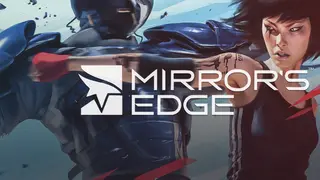
In June 2010 Edge Games sued Electronic Arts over Mirror's Edge, the 2008 first-person parkour game.
EA didn't settle. It counterclaimed to have the registrations cancelled and fought the injunction motion. The hearing was on September 30, 2010, before Judge William Alsup in the Northern District of California, case 3:10-cv-02614.
Alsup's order came the next day, and it's a document worth reading if you've ever wondered how much a court can say in twenty-three pages.
Trademarks need proof of continuing use, and Langdell had been filing specimens with the US Patent and Trademark Office to show his. Alsup went through them. One submission, the court found, appeared to have been doctored in three material ways. Another was a comic book cover published by a different company more than a decade earlier, scanned and offered as evidence that the mark was still in commerce. A web address filed for a game called Mythora hadn't been registered until years after the release date being claimed for it.
The court's word for one of the specimens was blunt. It was faked.
Alsup found the evidence indicated Langdell had willfully committed fraud in maintaining the registrations, described his activity as trolling the games industry for licensing opportunities, and observed that the conduct could possibly warrant criminal penalties. The injunction was denied on every factor.
Cancellation
Langdell settled within the month and agreed to surrender the marks. Getting them off the register took another two and a half years. On April 9, 2013, the USPTO finally cancelled five Edge registrations by court order.
He filed a three-page protest against the cancellation, arguing the marks had been issued to The Edge Interactive Media, Inc. rather than to Edge Games, and were therefore being cancelled from the wrong file. It changed nothing.
Between 2022 and 2024 Langdell filed again, against Lightfox Games, Microsoft and Razer. The word remains one of the most common in English, and the registrations that made it a weapon are gone.
INTEL_SOURCES
- Justia: Edge Games, Inc. v. Electronic Arts Inc., No. 3:2010cv02614, Document 67 (N.D. Cal. 2010)
- Techdirt: Court Denies Injunction Against EA Over Tim Langdell's Edge Trademark; Slams Langdell
- Engadget: EA wins Edge trademark suit; court cites Langdell for trolling
- Kotaku: After Four Years, an Industry Scourge Loses His Edge
- Wikipedia: Edge Games
- MCV/DEVELOP: Revealed - 23 pages on why Langdell failed
- CourtListener: Edge Games, Inc. v. Electronic Arts, Inc.
COMMENTS (0)
Be the first to comment