
WHAT_YOU_NEED_TO_KNOW
- Trevor "TmarTn" Martin was president and a 42.5% owner of CSGOLotto, Inc.; Thomas "Syndicate" Cassell was vice president and a 42.5% owner.
- They promoted the gambling site in videos and posts as lucky players, without disclosing they owned it.
- YouTuber HonorTheCall raised the ownership question on June 27, 2016; h3h3productions amplified it on July 3, 2016.
- On September 7, 2017, the FTC announced its first complaint against individual social media influencers.
- The settlement carried no fine, only a disclosure order and FTC monitoring for up to 10 years.
The setup was always the same. Trevor Martin sat on camera, watched a pot of Counter-Strike skins climb into the thousands, and reacted to the win like a man who could not believe his luck. He ran videos like that on his YouTube channel for months. What he left out was that the gambling site taking the bets belonged to him.
The site was CSGOLotto. Players wagered skins, the cosmetic weapon finishes from Counter-Strike: Global Offensive, some of which carry real resale value in the thousands of dollars. You deposited skins into a jackpot, the site drew a winner, and the winner took the pot. Martin, known to millions as TmarTn, filmed himself winning on it over and over. So did Thomas Cassell, the British creator who went by Syndicate.
Who owned the house
Martin was the president of CSGOLotto, Inc. and held 42.5% of the company. Cassell was the vice president and held another 42.5%. That is not a footnote. Every "I can't believe I won" clip was a man betting into his own book and selling the result as a lucky break.
Think about what that does to a viewer. When the house films itself hitting jackpots on its own platform, those wins are not proof that you can win too. They are advertising, made by the two people who controlled the odds.
The video that cracked it open
On June 27, 2016, a smaller YouTuber posting as HonorTheCall laid out the ownership link and asked why neither man had disclosed it. Martin answered that the ownership had been noted in his video descriptions. On June 30, HonorTheCall came back and showed the timeline did not hold. Martin had earlier called the site something he had simply found, and the disclosure text only appeared after the questions started.
Then it stopped being a niche argument. On July 3, 2016, Ethan Klein of h3h3productions posted "Deception, Lies, and CSGO" and carried the accusations to a far bigger audience. The next day Cassell put up an apology on Twitter: "I apologize to anyone who feels mislead regarding the ownership of @CSGOLotto. I will always be more transparent from here on out!"
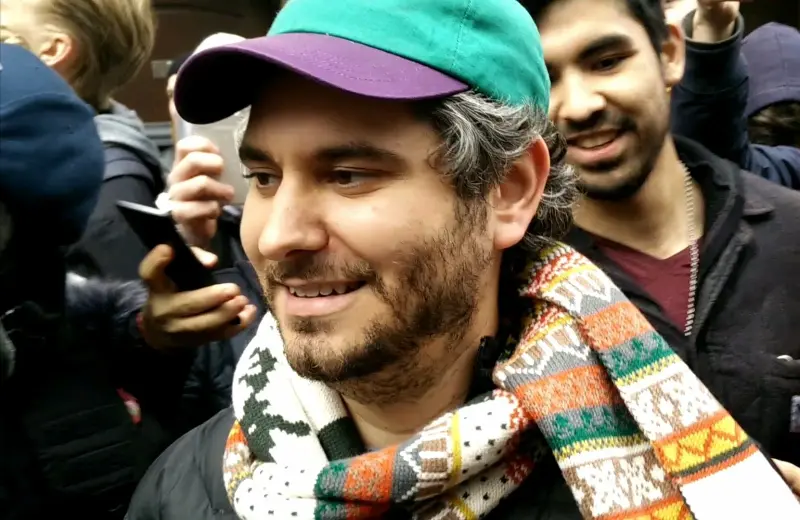 Ethan Klein of h3h3productions, whose July 3, 2016 video "Deception, Lies, and CSGO" carried the ownership story to a mass audience. Credit: Kim H. License: CC BY 2.0.
What the FTC did with it
It looked like it might die there, as an apology and a bad week. It did not. The Federal Trade Commission opened a case, and on September 7, 2017, it announced a settlement with Martin, Cassell, and CSGOLotto, Inc.
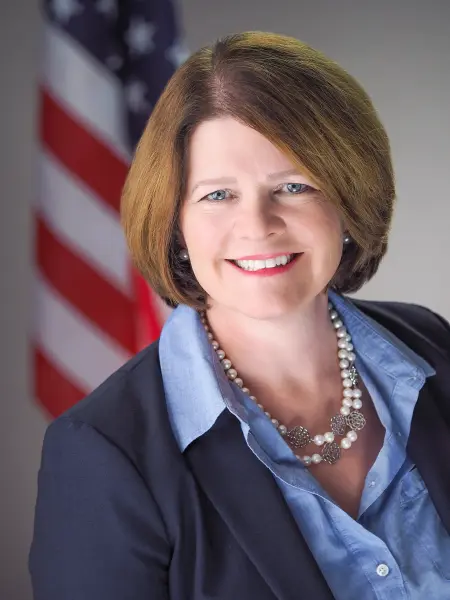 Maureen Ohlhausen, the FTC's Acting Chairman when the agency announced the CSGOLotto settlement on September 7, 2017. Credit: United States Government. License: Public domain.
The label mattered as much as the details. The FTC called this its first complaint against individual social media influencers. The agency had pursued brands for hidden endorsements before. This was the first time it went after the creators by name. The complaint said the two had deceptively promoted a service they jointly owned, and that they had paid other well known influencers thousands of dollars to push the site without making them disclose the payments.
Here is the part people still argue about. Nobody paid a cent. The order told Martin and Cassell to clearly and conspicuously disclose any financial or ownership tie behind an endorsement, to keep records, to file compliance reports, and to accept FTC monitoring for up to 10 years. The final consent order was approved that November. One reader called the terms a slap on the wrist, and on the question of money, that is hard to argue with.
Why it still gets cited
The payout was zero. The precedent was not. After CSGOLotto, a visible "#ad" stopped being a courtesy that big creators could skip and became the thing a regulator might name you over. When an influencer today promotes a product they quietly have a stake in, this is the case lawyers point to.
Both men kept their audiences. Martin still posts. The site is long gone. What outlived it is the rule the FTC wrote its first influencer complaint to enforce. If you own the house, you say so before you film yourself winning.
INTEL_SOURCES
- Federal Trade Commission — CSGO Lotto Owners Settle FTC's First-Ever Complaint Against Individual Social Media Influencers
- Federal Trade Commission — In the Matter of CSGOLotto, Trevor Martin, and Thomas Cassell: Complaint
- Tubefilter — FTC Finalizes Its First Settlement For Social Media Influencers
- Esports News UK — Syndicate apologises after failing to disclose ownership of CSGO Lotto gambling site
- Forbes — CS:GO Lotto Controversy Raises Issues About YouTuber Disclosure
COMMENTS (0)
Be the first to comment