
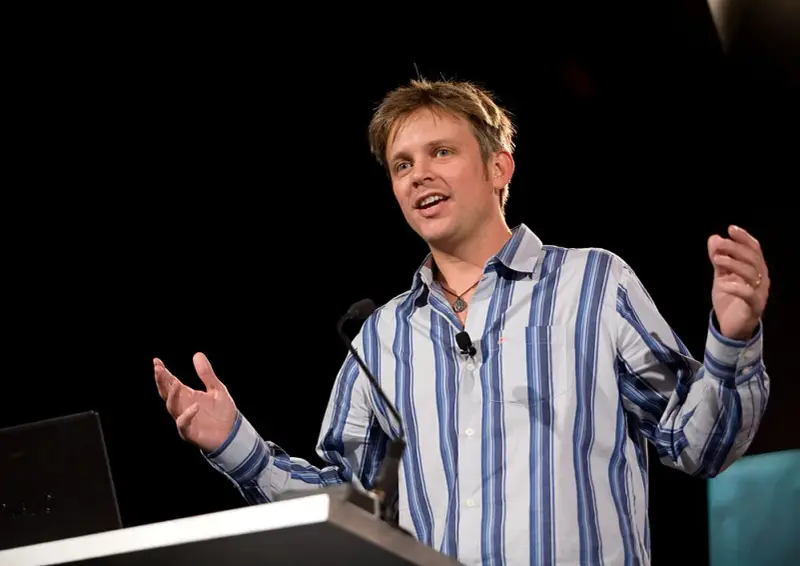
WHAT_YOU_NEED_TO_KNOW
- Anshe Chung was the Second Life avatar of Ailin Graef.
- In November 2006 she became the first person with a net worth above US$1 million earned entirely inside a virtual world.
- She built it in about 2.5 years from a $9.95 account by buying, subdividing, developing, renting, and reselling virtual land priced in Linden dollars.
- Her holdings reached roughly 36 square kilometers of virtual land on about 550 servers, run through Anshe Chung Studios, incorporated in Hubei, China in 2006.
- BusinessWeek put her avatar on its May 1, 2006 cover under the headline "My Virtual Life."
Second Life handed every new player an avatar and a wallet in a currency called the Linden dollar. Most people spent it on clothes and gestures. Ailin Graef spent it on land, and in November 2006 that choice made her the first person to turn a virtual world into a net worth above one million US dollars.
Her avatar was named Anshe Chung. That is the name that ended up on magazine covers, so it is the one most people remember. The avatar is not the interesting part. The machine she worked is.
How the money actually moved
Second Life, run by Linden Lab, had a real economy bolted onto it. The Linden dollar traded against the US dollar on an exchange. You could buy Lindens with real money and sell them back for real money at a floating rate. That one feature, cash in and cash out, is what separated Second Life from a game. Value made inside it could leave.
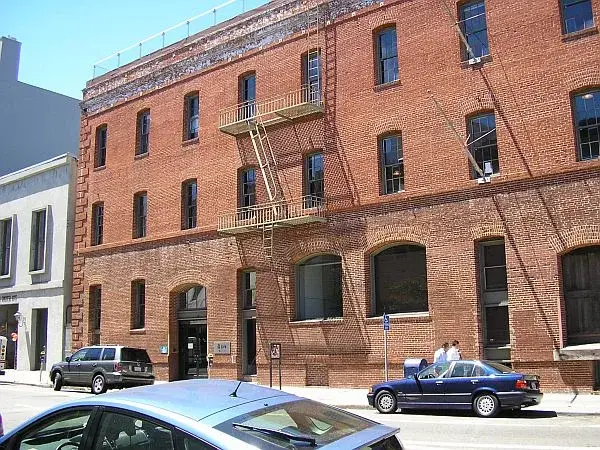 Linden Lab's offices at 945 Battery Street in San Francisco. The company sold the virtual land and ran the exchange that let Linden dollars cash out. Credit: Albrecht Conz. License: CC BY-SA 2.0 DE.
The scarce asset was land. Linden Lab sold virtual land and charged a monthly fee to keep each parcel running on a server, which the world called a simulator. Land was finite, priced, and yours to do what you liked with. That is everything a property market needs.
The play
Graef ran the oldest move in real estate, rendered in polygons. Buy raw land cheap. Subdivide it. Improve each parcel with landscaping and themed builds until a blank patch became somewhere people wanted to be. Then rent the lots out, or sell them improved for more than the land and the labor cost. Do it once and you clear a little. Do it across a whole continent of virtual land and you are running a development firm.
She started from a $9.95 account. Over about two and a half years the holdings grew into virtual real estate on the scale of a small city, reported at around 36 square kilometers, sitting on roughly 550 simulators. The operation outgrew one person flipping parcels. It became Anshe Chung Studios, a real company incorporated in Hubei, China in early 2006, staffed by dozens of programmers and artists who built environments, later working out of Wuhan, including jobs for real-world brands moving into the virtual space.
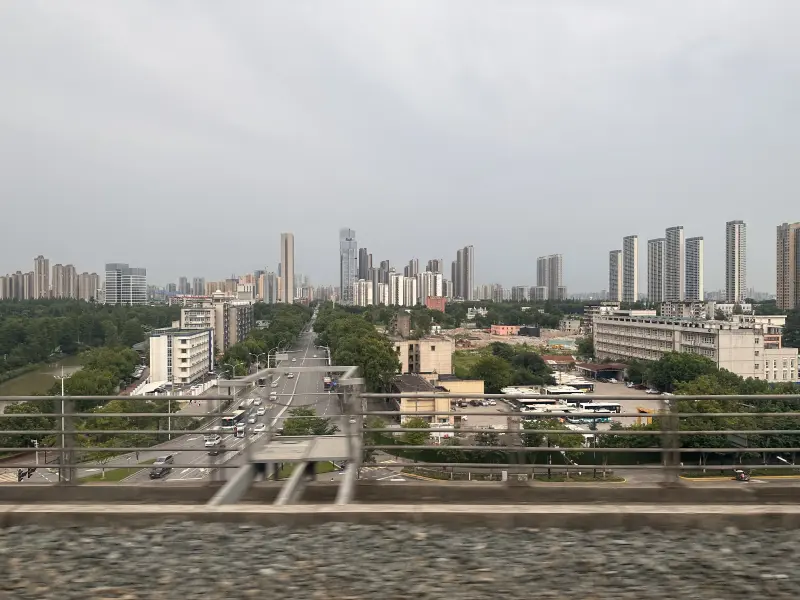 Wuhan, in Hubei province, where Anshe Chung Studios later worked. The company that began as one $9.95 account ended up employing dozens of artists and programmers. Credit: IDontHaveSkype. License: CC0 1.0.
The cover and the number
BusinessWeek put her avatar on its May 1, 2006 cover under the line "My Virtual Life." Six months later, in November 2006, came the figure that ran everywhere: a net worth above one million US dollars, built entirely from profits earned inside the virtual world. First person to do it. What most of the coverage skated past is that none of it was a glitch or an exploit. She followed the rules Linden Lab wrote and found the business those rules quietly made possible.
The other side of an avatar
Those same rules cut both ways. In December 2006, during an in-world interview run by CNET's Daniel Terdiman, a group of griefers swarmed her avatar with flying cartoon penises until the simulator crashed. A million-dollar reputation, in that moment, was still a figure standing in a world where anyone could spawn anything. The clip spread fast. It was a blunt reminder that the same open sandbox that let her build an empire let a crowd redecorate it with genitalia on a whim.
Anshe Chung Studios is still around. Second Life never became the next internet the 2006 hype promised. What Graef proved has aged better than the hype. Give people a world with property rights and a currency that cashes out, and someone will build a real fortune inside it, one subdivided parcel at a time.
INTEL_SOURCES
- Bloomberg / BusinessWeek — Second Life's First Millionaire
- Wikipedia — Anshe Chung
- Fortune — Anshe Chung, first virtual millionaire
- HistoryofInformation.com — Anshe Chung Becomes First Virtual World Millionaire
COMMENTS (0)
Be the first to comment