
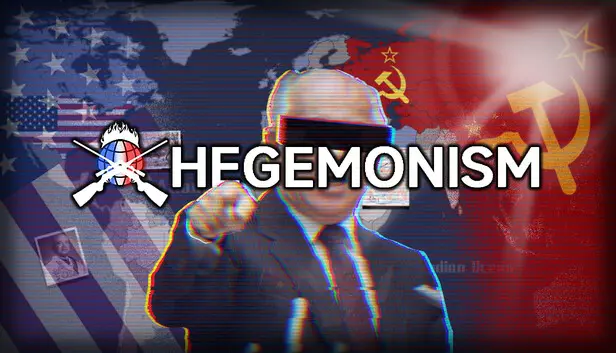
Hegemonism: Cold War
PRICE COMPARISON

PLATFORM AVAILABILITY
ABOUT THIS GAME
Tactics of the Cold War in Hegemonism: Cold War
Hegemonism: Cold War invites players to delve deep into a strategic world gripped by the tensions between the US and USSR. This indie turn-based card strategy game transports players through pivotal moments in history, allowing them to wield the power of 200+ cards to shape geopolitical outcomes. Build your deck, utilize various tactics, and decide the fate of nations in this intricate portrayal of Cold War dynamics.
Mastering Regional Conflicts for Global Impact
At the core of Hegemonism: Cold War is its ability to recreate historical scenarios from diverse regions such as Europe, Latin America, and the Middle East. Players can immerse themselves in continental scenarios, where each choice reverberates through alliances and rivalries. Misplace your influence, and it could mean the difference between a coup or diplomatic victory, turning the tide in your favor or sealing your fate.
FREQUENTLY ASKED QUESTIONS
What platforms is Hegemonism: Cold War on?
Hegemonism: Cold War is available on PC.
When does Hegemonism: Cold War release?
Hegemonism: Cold War does not have a confirmed release date yet. Set a free alert to be notified when it is announced.
How much will Hegemonism: Cold War cost?
Hegemonism: Cold War has no price yet. It is not available for purchase. Set a free alert to be notified the moment it goes on sale.
GAME INFO
LANGUAGES
RELATED PRODUCTS






Explore ReadyGame
Deals
Collections
Browse by category
Franchises
- Star Wars
- Final Fantasy
- Resident Evil
- Assassin's Creed
- Call of Duty
- Warhammer 40,000
- Tom Clancy’s
- Batman
- Yakuza: Like a Dragon
- Sonic The Hedgehog
- Monster Hunter
- Dragon Ball
- The Legend of Heroes
- Far Cry
- Life is Strange
- Borderlands
- Marvel
- LEGO
- Doom
- Tomb Raider
- Disney
- Sid Meier
- Warhammer
- Fallout
- Five Nights at Freddy's
- The Jackbox Party Pack
- The Lord of the Rings
- Dungeons & Dragons
- The Elder Scrolls
- The Walking Dead
- Battlefield
- Teenage Mutant Ninja Turtles
- Watch_Dogs
- Wolfenstein
- Little Nightmares
- Farming-Simulator
- World of Darkness
- Dragon Quest
- Sherlock Holmes
- Mortal Kombat
- Atelier
- Alien
- Metal Gear
- Metro
- Dying Light
- Need for Speed
- World Rally Championship
- Ys
- One Piece
- Silent Hill