
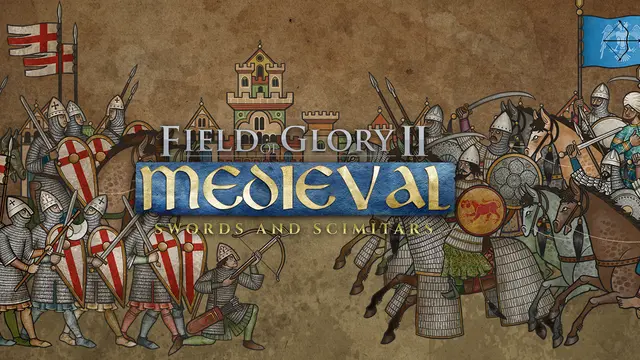
Field of Glory II: Medieval - Swords and Scimitars
PRICE COMPARISON






Field of Glory II: Medieval DLC
4
INCLUDED IN
2
FIELD OF GLORY FRANCHISE
1
ABOUT THIS GAME
The Narrative of Conflict in Field of Glory II: Medieval - Swords and Scimitars
In Field of Glory II: Medieval - Swords and Scimitars, players assume control over the tumultuous conflicts of the 11th to 13th centuries, specifically the intricate power struggles of the Byzantine Empire and various Islamic states. This turn-based strategy game intricately weaves historical events, such as the Battle of Manzikert and the First Crusade, into its gameplay, allowing players to engage with significant turning points that shaped the medieval world.
Historical Battles and Strategic Depth
At the core of this experience are historically inspired battles. Players command armies, from Byzantine legions to emerging Islamic factions, navigating diverse terrains and employing various tactics. Each choice holds weight, influencing not just the outcome on the battlefield, but the broader historical narrative. The game is set during a fascinating period where military innovation and shifting alliances play pivotal roles.
A Diverse Array of Nations and Factions
The game features over 20 playable nations and factions, showcasing a rich tapestry of cultures and military strategies. From the remnants of the Byzantine Empire to the fragmented Muslim emirates, players can explore different campaigns and scenarios. This variety offers distinct gameplay experiences, allowing for a deep dive into the unique characteristics of each faction, whether it’s the Armenians in Cilicia or the Mamluks of Egypt.
Tactical Combat with Swords and Scimitars
Combat in Field of Glory II: Medieval - Swords and Scimitars is characterized by tactical depth and historical realism. Players must carefully consider the strengths and weaknesses of their units. Different troop types interact dynamically on the battlefield, requiring a thoughtful approach to unit placement and maneuvering. The tactical layer encourages players to outthink their opponents rather than relying solely on brute force.
Fragmented Empires and Conquests
The fragmentation of empires provides a backdrop for intricate political maneuvering. Following the catastrophic defeat at Manzikert, the Byzantine appeal for assistances led to the Crusades, highlighting the precarious balance of power. This dynamic underscores the game, where players manage not just military campaigns but also the complex political relationships between various factions, oscillating between conflict and diplomacy.
Engaging with Medieval Warfare Dynamics
Taking control of a historical faction immerses players in the warfare dynamics of medieval Europe and the Middle East. The strategic elements are enhanced by varying terrain, seasonality, and unit morale, which impact the effectiveness of military operations. Understanding these components can mean the difference between victory and defeat, making for engaging gameplay filled with historical fidelity.
The Legacy of Conflict in Medieval History
Every battle shapes the future. Players not only fight in historically significant conflicts but also witness their consequences shape the landscape of the Middle Ages. Each victory or defeat carves a path through history, illustrating the far-reaching effects of military actions. This legacy resonates throughout the game, compelling players to reflect on the broader implications of their strategic choices.
Concluding the Campaigns of Swords and Scimitars
Historically grounded and tactically rich, Field of Glory II: Medieval - Swords and Scimitars offers a profound exploration of medieval conflict. Armed with detailed scenarios and a diverse range of factions, players can reshape history with every decisive move. The strategic depth and engaging historical context provide a unique experience that resonates with both strategy fans and history enthusiasts.
PRICE FACTS
| Current best price | £6.85 at GOG |
|---|---|
| All-time low | £6.79 at GOG |
| All-time low date | March 2026 |
| Last 30 days | Up 1% |
FREQUENTLY ASKED QUESTIONS
What platforms is Field of Glory II: Medieval - Swords and Scimitars on?
Field of Glory II: Medieval - Swords and Scimitars is available on PC.
When was Field of Glory II: Medieval - Swords and Scimitars released?
Field of Glory II: Medieval - Swords and Scimitars was released on September 23, 2021.
How much does Field of Glory II: Medieval - Swords and Scimitars cost?
The current lowest price for Field of Glory II: Medieval - Swords and Scimitars is £6.85 at GOG.
What is the lowest Field of Glory II: Medieval - Swords and Scimitars has ever been?
The historical low price for Field of Glory II: Medieval - Swords and Scimitars is £6.79.
GOGOfficialGAME INFO
LANGUAGES
RELATED PRODUCTS
Explore ReadyGame
Deals
Collections
Browse by category
Franchises
- Star Wars
- Call of Duty
- Resident Evil
- Final Fantasy
- Assassin's Creed
- Warhammer 40,000
- Batman
- Yakuza: Like a Dragon
- Tom Clancy’s
- Sonic The Hedgehog
- Dragon Ball
- Monster Hunter
- The Legend of Heroes
- Borderlands
- Far Cry
- LEGO
- Tomb Raider
- Disney
- Sid Meier
- Doom
- Fallout
- Marvel
- Life is Strange
- Warhammer
- Five Nights at Freddy's
- Battlefield
- The Jackbox Party Pack
- The Elder Scrolls
- Dungeons & Dragons
- The Lord of the Rings
- Teenage Mutant Ninja Turtles
- Little Nightmares
- Sherlock Holmes
- The Walking Dead
- Street Fighter
- Watch_Dogs
- Alien
- Farming-Simulator
- World of Darkness
- Bioshock
- Need for Speed
- Dying Light
- Atelier
- Forza
- S.T.A.L.K.E.R.
- Wolfenstein
- Halo
- Metro
- One Piece
- Metal Gear