
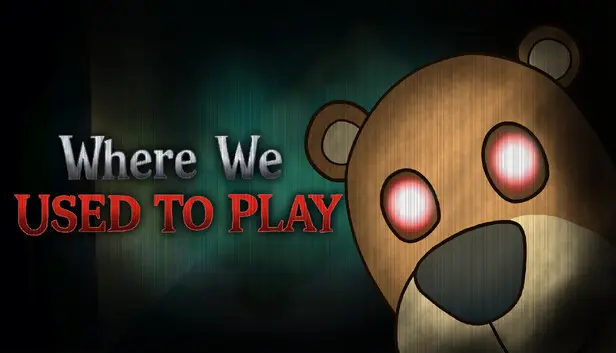
Where We Used to Play
PRICE COMPARISON
ABOUT THIS GAME
Unraveling the Mystery of Where We Used to Play
Where We Used to Play emerges as a captivating first-person psychological horror game on PC, where each room in an eerily familiar house may harbor secrets waiting to be discovered. The game lures players into an environment that feels deceptively normal, challenging you to scrutinize every inch for signs of change. Those subtle shifts can lead to a daunting journey through remnants of memories long forgotten.
The Art of Anomaly Detection
Gameplay revolves around observation and the detection of anomalies. As you explore the house repetitively, you must decide whether to return to the dark room at the beginning or advance toward an equally ominous end. Each decision weighs heavily on the course of your story, and incorrect choices send players spiraling back into the shadows, while correct ones unveil further mysteries lurking within. The cycle of exploration and consequence creates a tension-filled atmosphere that grips you throughout your experience.
PRICE FACTS
| Current best price | £4.59 at Steam |
|---|---|
| All-time low | £2.98 at Steam · October 2026 |
| Last 30 days | Up 11% |
FREQUENTLY ASKED QUESTIONS
What platforms is Where We Used to Play on?
Where We Used to Play is available on PC.
When was Where We Used to Play released?
Where We Used to Play was released on July 28, 2026.
How much does Where We Used to Play cost?
The current lowest price for Where We Used to Play is £4.59 at Steam.
What is the lowest Where We Used to Play has ever been?
The historical low price for Where We Used to Play is £2.98.
 SteamOfficial
GAME INFO
LANGUAGES
RELATED PRODUCTS





Explore ReadyGame
Deals
Collections
Browse by category
Franchises
- Star Wars
- Final Fantasy
- Resident Evil
- Assassin's Creed
- Call of Duty
- Warhammer 40,000
- Tom Clancy’s
- Batman
- Yakuza: Like a Dragon
- Sonic The Hedgehog
- Dragon Ball
- The Legend of Heroes
- Monster Hunter
- Far Cry
- Borderlands
- Life is Strange
- LEGO
- Marvel
- Doom
- Tomb Raider
- Sid Meier
- Disney
- Warhammer
- Five Nights at Freddy's
- Fallout
- The Jackbox Party Pack
- Dungeons & Dragons
- The Lord of the Rings
- The Elder Scrolls
- Teenage Mutant Ninja Turtles
- The Walking Dead
- Little Nightmares
- Wolfenstein
- Watch_Dogs
- Battlefield
- Sherlock Holmes
- Farming-Simulator
- World of Darkness
- Mortal Kombat
- Dragon Quest
- Alien
- Metal Gear
- Atelier
- Need for Speed
- Dying Light
- Metro
- Ys
- World Rally Championship
- One Piece
- Silent Hill