
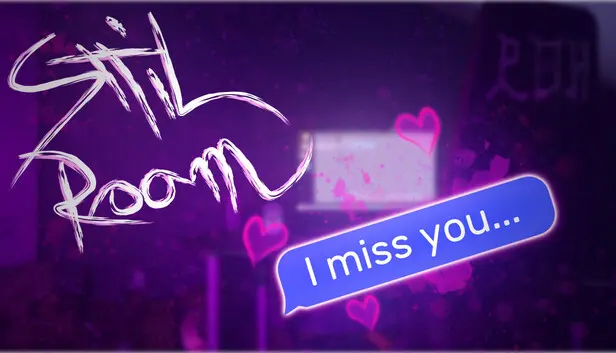
Still Room: I Miss You
PRICE COMPARISON
ABOUT THIS GAME
Unraveling Reality in Still Room: I Miss You
Still Room: I Miss You invites players into a deeply psychological narrative experience centered on a man grappling with the complexities of schizophrenia. Through meticulous day-to-day routines, the game challenges perceptions of reality and illusion as players navigate both the physical confines of a single room and the shifting landscapes of the protagonist's mind.
Daily Routines Blurred by Distortion
As you engage with mundane tasks like working on a thesis or maintaining communication with a loved one via text messages, the game introduces a mental stability and needs management system. Players must balance eating, drinking, sleeping, and taking medication. Neglecting any of these needs alters how the character perceives the world, transforming familiar surroundings into disquieting visions.
PRICE FACTS
| Current best price | £0.55 at Steam |
|---|---|
| All-time low | £0.55 at Steam · October 2026 |
| Last 30 days | Down 79% |
FREQUENTLY ASKED QUESTIONS
What platforms is Still Room: I Miss You on?
Still Room: I Miss You is available on PC.
When was Still Room: I Miss You released?
Still Room: I Miss You was released on February 12, 2026.
How much does Still Room: I Miss You cost?
The current lowest price for Still Room: I Miss You is £0.55 at Steam.
What is the lowest Still Room: I Miss You has ever been?
The historical low price for Still Room: I Miss You is £0.55.
Still Room: I Miss You price history SteamOfficial
GAME INFO
LANGUAGES
RELATED PRODUCTS










Explore ReadyGame
Deals
Collections
Browse by category
Franchises
- Star Wars
- Final Fantasy
- Resident Evil
- Assassin's Creed
- Call of Duty
- Warhammer 40,000
- Tom Clancy’s
- Batman
- Yakuza: Like a Dragon
- Sonic The Hedgehog
- Monster Hunter
- The Legend of Heroes
- Dragon Ball
- Far Cry
- Life is Strange
- Borderlands
- Marvel
- LEGO
- Doom
- Tomb Raider
- Sid Meier
- Disney
- Fallout
- Warhammer
- Five Nights at Freddy's
- The Jackbox Party Pack
- The Lord of the Rings
- Dungeons & Dragons
- The Elder Scrolls
- Teenage Mutant Ninja Turtles
- The Walking Dead
- Battlefield
- Watch_Dogs
- Wolfenstein
- Little Nightmares
- Farming-Simulator
- World of Darkness
- Dragon Quest
- Sherlock Holmes
- Mortal Kombat
- Atelier
- Metal Gear
- Alien
- Need for Speed
- Dying Light
- Metro
- World Rally Championship
- Ys
- One Piece
- Silent Hill