
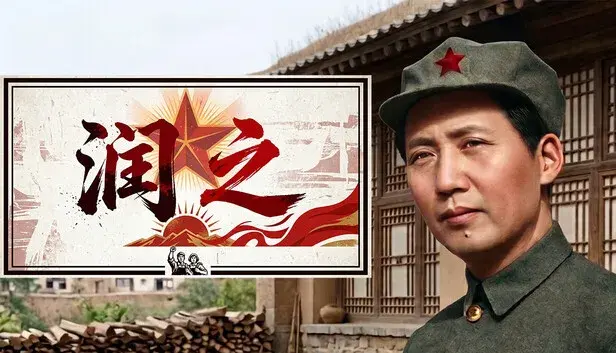
Revolution: Young Mao
Platform
PRICE COMPARISON
Sort by
ABOUT THIS GAME
Historical visual novel
Revolution: Young Mao is a PC interactive visual novel set around 1929, about the early Red Army. You follow its story from a first-person perspective and make choices that branch the narrative.
Choices and endings
Your decisions can determine whether the game continues: a wrong choice ends the game. The central activity is reading the historical narrative and choosing how events proceed.
PRICE FACTS
| Current best price | Free at Steam |
|---|
FREQUENTLY ASKED QUESTIONS
What platforms is Revolution: Young Mao on?
Revolution: Young Mao is available on PC.
When was Revolution: Young Mao released?
Revolution: Young Mao was released on June 30, 2026.
Is Revolution: Young Mao free?
Yes, Revolution: Young Mao is free to play.
 SteamOfficial
Free to Play
3h agoGAME INFO
Metacritic--
Steam1.4/5 · 217 reviews
Release2026-06-30
LANGUAGES
Simplified ChineseEnglish
RELATED PRODUCTS


Explore ReadyGame
Deals
Collections
Browse by category
Franchises
- Star Wars
- Final Fantasy
- Resident Evil
- Assassin's Creed
- Call of Duty
- Warhammer 40,000
- Tom Clancy’s
- Batman
- Yakuza: Like a Dragon
- Sonic The Hedgehog
- The Legend of Heroes
- Dragon Ball
- Monster Hunter
- Far Cry
- Life is Strange
- Borderlands
- LEGO
- Marvel
- Doom
- Tomb Raider
- Disney
- Sid Meier
- Warhammer
- Fallout
- Five Nights at Freddy's
- The Jackbox Party Pack
- The Lord of the Rings
- Dungeons & Dragons
- The Elder Scrolls
- The Walking Dead
- Teenage Mutant Ninja Turtles
- Little Nightmares
- Wolfenstein
- Watch_Dogs
- Battlefield
- Sherlock Holmes
- World of Darkness
- Dragon Quest
- Atelier
- Mortal Kombat
- Farming-Simulator
- Metal Gear
- Alien
- Dying Light
- Metro
- Need for Speed
- Ys
- World Rally Championship
- One Piece
- Silent Hill