
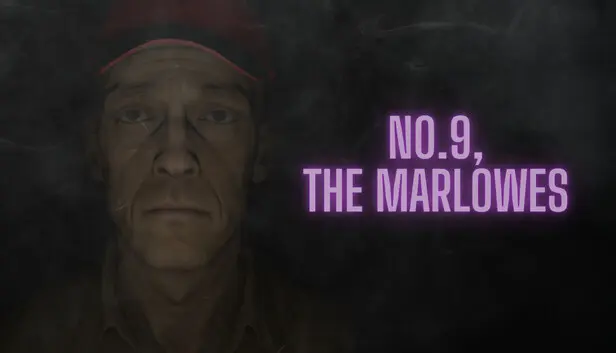
No. 9, The Marlowes
PRICE COMPARISON

PLATFORM AVAILABILITY
ABOUT THIS GAME
The Struggles of Greg Dunne in No. 9, The Marlowes
In No. 9, The Marlowes, players delve into the life of Greg Dunne, a man grappling with his troubles in 1982. Freshly divorced and in the midst of a painful custody battle, Greg's hopes rest on a new apartment, is it really the fresh start he yearns for? This narrative-driven experience invites you to explore the layers of loss, resilience, and the search for meaning in everyday life.
Exploring Life's Complexities Through Narrative
This game leans heavily on its narrative adventure roots, allowing players to piece together Greg's backstory while making choices that affect his journey. The emotional weight of his circumstances is palpable, and every decision carries the potential to impact his relationship with his son and his path to healing. The blend of story and character development draws you deeper into Greg’s struggle, making you think about the fragility of family bonds and personal aspirations.
FREQUENTLY ASKED QUESTIONS
What platforms is No. 9, The Marlowes on?
No. 9, The Marlowes is available on PC.
When does No. 9, The Marlowes release?
No. 9, The Marlowes does not have a confirmed release date yet. Set a free alert to be notified when it is announced.
How much will No. 9, The Marlowes cost?
No. 9, The Marlowes has no price yet. It is not available for purchase. Set a free alert to be notified the moment it goes on sale.
GAME INFO
LANGUAGES
RELATED PRODUCTS




Explore ReadyGame
Deals
Collections
Browse by category
Franchises
- Star Wars
- Final Fantasy
- Resident Evil
- Assassin's Creed
- Call of Duty
- Warhammer 40,000
- Tom Clancy’s
- Batman
- Yakuza: Like a Dragon
- Sonic The Hedgehog
- Monster Hunter
- The Legend of Heroes
- Dragon Ball
- Far Cry
- Life is Strange
- Borderlands
- Marvel
- LEGO
- Doom
- Tomb Raider
- Sid Meier
- Disney
- Fallout
- Warhammer
- Five Nights at Freddy's
- The Jackbox Party Pack
- The Lord of the Rings
- Dungeons & Dragons
- The Elder Scrolls
- Teenage Mutant Ninja Turtles
- The Walking Dead
- Battlefield
- Watch_Dogs
- Wolfenstein
- Little Nightmares
- Farming-Simulator
- World of Darkness
- Dragon Quest
- Sherlock Holmes
- Mortal Kombat
- Atelier
- Metal Gear
- Alien
- Need for Speed
- Dying Light
- Metro
- World Rally Championship
- Ys
- One Piece
- Silent Hill