
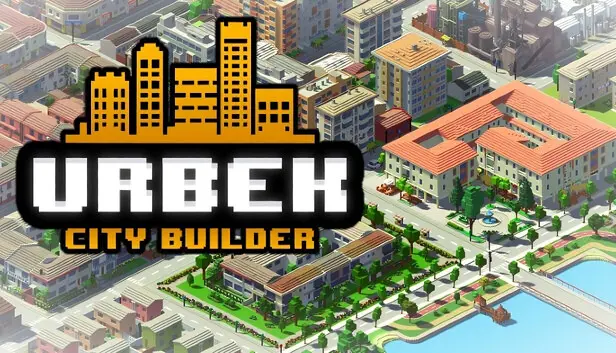
Urbek City Builder
PRICE COMPARISON
Official Stores





Keyshops

DLC & ADD-ONS
2
INCLUDED IN
12
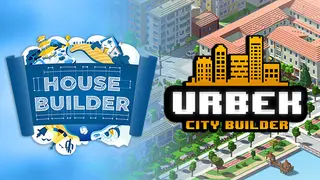

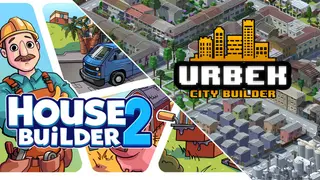
ABOUT THIS GAME
Build Your Dream City with Urbek City Builder
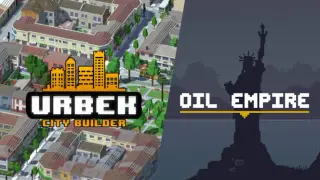
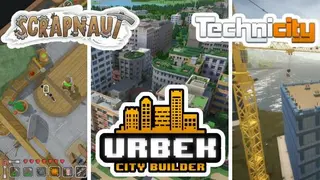
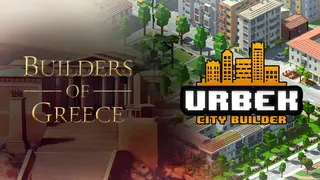
Urbek City Builder places you in the heart of urban development, allowing players to craft their very own neighborhoods. Whether you’re designing a vibrant nightlife district or a bustling industrial zone, every decision counts. Balancing resource management with the needs of your population is essential as you work to create a thriving city on your PC.
Neighborhood Diversity: Craft Distinct Districts
In Urbek, the ability to create diverse districts defines your gameplay. From residential areas that cater to families to districts where nightlife thrives, you will need to consider what each neighborhood requires. This thoughtful planning is crucial, as different zones attract different types of citizens and businesses. The intricate balance of aesthetics and functionality is key to success.
PRICE FACTS
| Current best price | £1.03 at Kinguin |
|---|---|
| Official stores low | £2.03 at Fanatical · September 2026 |
| Keyshops low | £0.56 at GameSeal · September 2026 |
| Last 30 days | Down 51% |
FREQUENTLY ASKED QUESTIONS
What platforms is Urbek City Builder on?
Urbek City Builder is available on PC, Switch and Xbox One Series.
When was Urbek City Builder released?
Urbek City Builder was released on July 13, 2022.
How much does Urbek City Builder cost?
The current lowest price for Urbek City Builder is £1.03 at Kinguin.
What is the lowest Urbek City Builder has ever been?
The historical low price for Urbek City Builder is £0.56.
 KinguinKeyshop
GAME INFO
LANGUAGES
RELATED PRODUCTS


Games from RockGame S.A.
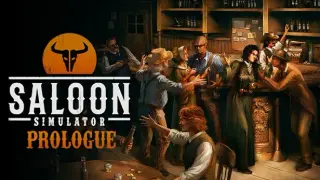

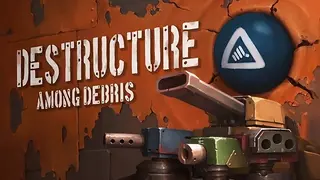
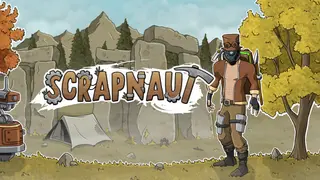
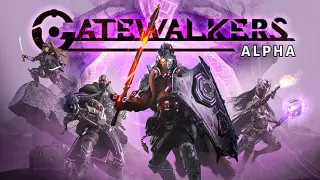
Explore ReadyGame
Deals
Collections
Browse by category
Franchises
- Final Fantasy
- Star Wars
- Resident Evil
- Assassin's Creed
- Call of Duty
- Warhammer 40,000
- Tom Clancy’s
- Batman
- Yakuza: Like a Dragon
- Monster Hunter
- Dragon Ball
- Sonic The Hedgehog
- Far Cry
- The Legend of Heroes
- Borderlands
- Marvel
- LEGO
- Tomb Raider
- Life is Strange
- Warhammer
- Doom
- Fallout
- Five Nights at Freddy's
- Disney
- Sid Meier
- Dungeons & Dragons
- The Jackbox Party Pack
- The Lord of the Rings
- The Elder Scrolls
- Teenage Mutant Ninja Turtles
- Watch_Dogs
- The Walking Dead
- Atelier
- Dragon Quest
- Little Nightmares
- World of Darkness
- Sherlock Holmes
- Battlefield
- Alien
- Farming-Simulator
- Need for Speed
- Ys
- Wolfenstein
- Metro
- One Piece
- Metal Gear
- Dying Light
- Naruto
- World Rally Championship
- Hyperdimension Neptunia