
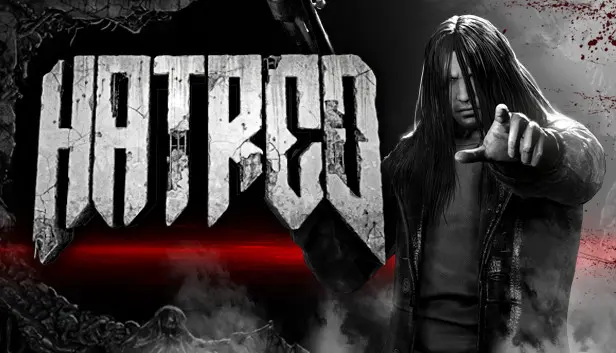
Hatred
PRICE COMPARISON
Official Stores





Keyshops


INCLUDED IN
5
ABOUT THIS GAME
Embrace the Darkness in Hatred
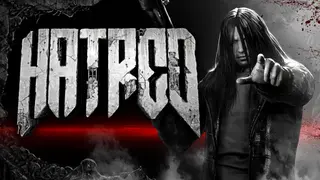
Hatred pushes players into a world dominated by chaos and violence. Set in a bleak representation of New York, the game presents a stark perspective that challenges the norms of the shooter genre. As a character consumed by disdain for humanity, players navigate an unforgiving landscape armed with weapons and a singular goal: to wreak havoc. Every encounter is steeped in a gritty atmosphere, punctuated by the visceral nature of combat.
The Relentless Objective of Annihilation
From the outset, the focus is on obliteration. Players take on the role of a nihilistic anti-hero whose objective is to cleanse the streets of all human life. Each mission challenges individuals with a variety of combat scenarios, where shooting and direct confrontation is not just preferred but essential. Humanity is deemed “worthless,” and players must adopt this perspective to survive.
PRICE FACTS
| Current best price | £0.44 at Kinguin |
|---|---|
| Official stores low | £0.47 at Steam · November 2021 |
| Keyshops low | £0.30 at Eneba · October 2026 |
| Last 30 days | Down 6% |
FREQUENTLY ASKED QUESTIONS
What platforms is Hatred on?
Hatred is available on PC.
When was Hatred released?
Hatred was released on June 1, 2015.
How much does Hatred cost?
The current lowest price for Hatred is £0.44 at Kinguin.
What is the lowest Hatred has ever been?
The historical low price for Hatred is £0.30.
KinguinKeyshopGAME INFO
LANGUAGES
RELATED PRODUCTS



Games from Destructive Creations

Explore ReadyGame
Deals
Collections
Browse by category
Franchises
- Star Wars
- Final Fantasy
- Resident Evil
- Assassin's Creed
- Call of Duty
- Warhammer 40,000
- Tom Clancy’s
- Batman
- Yakuza: Like a Dragon
- Sonic The Hedgehog
- Monster Hunter
- The Legend of Heroes
- Dragon Ball
- Far Cry
- Life is Strange
- Borderlands
- Marvel
- LEGO
- Doom
- Tomb Raider
- Sid Meier
- Disney
- Warhammer
- Fallout
- Five Nights at Freddy's
- The Jackbox Party Pack
- The Lord of the Rings
- Dungeons & Dragons
- The Elder Scrolls
- The Walking Dead
- Battlefield
- Teenage Mutant Ninja Turtles
- Watch_Dogs
- Wolfenstein
- Little Nightmares
- Farming-Simulator
- World of Darkness
- Dragon Quest
- Sherlock Holmes
- Mortal Kombat
- Atelier
- Alien
- Metal Gear
- Metro
- Dying Light
- Need for Speed
- World Rally Championship
- Ys
- One Piece
- Silent Hill