
PRICE COMPARISON


Europa Universalis IV DLC
50 Content Pack - Europa Universalis IV: Common SenseFree
 Content Pack - Europa Universalis IV: Rights of ManFree
 Crusader Kings II: Dynasty Shield III£1.52
 Europa Universalis IV: Anthology of Alternate History£5.89
 Europa Universalis IV: Art of War E-bookFree
 Europa Universalis IV: Catholic Majors Unit PackFree
 Europa Universalis IV: Conquest of Paradise£4.95
 Europa Universalis IV: Cradle of Civilization£14.74
EUROPA UNIVERSALIS FRANCHISE
2

ABOUT THIS GAME
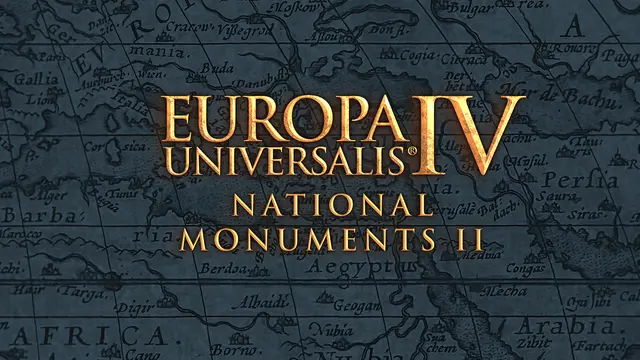
Explore National Monuments in Europa Universalis IV: National Monuments II
In Europa Universalis IV: National Monuments II, players can enhance their historical strategy experience by integrating new graphical national monuments into their campaigns. This DLC provides a rich visual layer to the already immersive world of EU IV, allowing each nation to showcase its unique landmarks. As you navigate through different eras, these iconic structures not only beautify the map but also serve to deepen your connection to the historical contexts of your gameplay.
Iconic Structures For Enhanced Gameplay
The pack features fascinating structures such as the Hagia Sophia, an architectural marvel that began as a Greek Orthodox basilica and transformed through centuries of history. Players will appreciate the opportunity to witness such significant cultural shifts represented on the map as they conquer and explore. Each monument not only stands out visually but also tells part of the complex story that unfolds in Europa Universalis IV.
PRICE FACTS
| Current best price | £1.52 at Fanatical |
|---|---|
| Official stores low | £0.64 at Fanatical · July 2026 |
| Keyshops low | £0.86 at GameSeal · May 2026 |
| Last 30 days | Up 138% |
FREQUENTLY ASKED QUESTIONS
What platforms is Europa Universalis IV: National Monuments II on?
Europa Universalis IV: National Monuments II is available on PC.
When was Europa Universalis IV: National Monuments II released?
Europa Universalis IV: National Monuments II was released on September 24, 2013.
How much does Europa Universalis IV: National Monuments II cost?
The current lowest price for Europa Universalis IV: National Monuments II is £1.52 at Fanatical.
What is the lowest Europa Universalis IV: National Monuments II has ever been?
The historical low price for Europa Universalis IV: National Monuments II is £0.64.
FanaticalOfficialGAME INFO
LANGUAGES
SYSTEM SPECS
MINIMUM
RECOMMENDED
RELATED PRODUCTS










Explore ReadyGame
Deals
Collections
Browse by category
Franchises
- Final Fantasy
- Star Wars
- Resident Evil
- Assassin's Creed
- Call of Duty
- Warhammer 40,000
- Tom Clancy’s
- Batman
- Yakuza: Like a Dragon
- Monster Hunter
- Dragon Ball
- Sonic The Hedgehog
- Far Cry
- The Legend of Heroes
- Borderlands
- Marvel
- LEGO
- Tomb Raider
- Life is Strange
- Warhammer
- Doom
- Fallout
- Five Nights at Freddy's
- Disney
- Sid Meier
- Dungeons & Dragons
- The Jackbox Party Pack
- The Lord of the Rings
- The Elder Scrolls
- Teenage Mutant Ninja Turtles
- Watch_Dogs
- The Walking Dead
- Atelier
- Dragon Quest
- Little Nightmares
- World of Darkness
- Sherlock Holmes
- Battlefield
- Alien
- Ys
- Farming-Simulator
- Need for Speed
- Wolfenstein
- Metro
- One Piece
- Metal Gear
- Dying Light
- Naruto
- World Rally Championship
- Hyperdimension Neptunia