
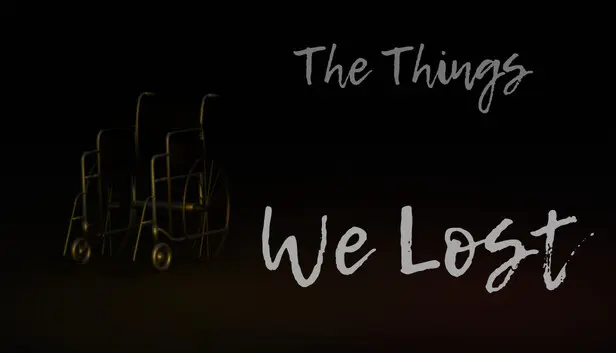
The Things We Lost
PRICE COMPARISON

PLATFORM AVAILABILITY
ABOUT THIS GAME
A Gripping Psychological Horror Scenario
The Things We Lost thrusts players into a chilling atmosphere where every corner of a once-familiar home harbors unsettling secrets. This psychological horror game, available on PC, invites you to explore the psyche of a man confined to a wheelchair after a life-altering car accident. As he confronts his past and the oppressive presence in his childhood home, the tension escalates with each passing moment.
Unraveling Dark Memories in a Haunted House
From the outset, the protagonist inherits the house where he grew up, a space filled with memories now tainted by fear and uncertainty. As players navigate through the dimly lit rooms, they discover that the mundane can quickly turn nightmarish. The game effectively uses environmental storytelling to conjure an atmosphere laden with dread, where every creak of the floorboards hints at an unseen presence.
The Fragility of Reality Begins to Unravel
Patience is a virtue in this game. The longer you linger in the old house, the more unsettling the experience becomes. Reality begins to fray, warping perceptions and tainting truths. Players will find themselves questioning whether they are truly alone as apparitions and warped dimensions begin to play tricks on the mind. The carefully crafted narrative ensures that unease permeates each interaction, drawing players deeper into its clutches.
Navigating Through Psychological Tension
Precision in gameplay mechanics amplifies the horror genre experience. You'll navigate the protagonist's surroundings with a mix of exploration and introspection. Clues unveil locked-away memories, and players must solve puzzles that enhance the chilling narrative. This dynamic interplay between gameplay and storytelling makes every action feel impactful, heightening the stakes as uncertainty looms large.
The Emotional Weight of Confinement
Being confined to a wheelchair adds layers to the protagonist’s plight. It emphasizes vulnerability and helplessness, unraveling a poignant narrative thread throughout the game. This conscious decision to limit mobility intensifies the sense of fear and isolation. The gameplay thus becomes a thoughtful exploration of emotional dimensions, akin to navigating one’s own trauma while grappling with haunting memories.
A House That Breathes Fear
The game’s visual design plays a pivotal role in establishing the eerie atmosphere. Dimly lit corridors, flickering lights, and shadowy corners create a textured environment teeming with suspense. Each room is painstakingly designed to evoke a feeling of dread, becoming a character in its own right. Players find that the house is not merely a backdrop but an integral part of the horror they must confront.
Discovering Chilling Lore Amidst the Shadows
As players delve deeper into The Things We Lost, they uncover rich lore laden with sinister tales and forgotten stories. These narratives serve as breadcrumbs leading to the unraveling of greater mysteries. Engaging with this lore while navigating through the game's hauntings enriches the experience, making each revelation feel profound and steeped in context.
Conclusion: A Journey into Haunting Introspection
Ultimately, The Things We Lost is more than just a traditional horror game; it is a meditation on memory and the shadows they cast. The chilling atmosphere, combined with tight gameplay mechanics and compelling storytelling, invites players to confront their own fears. For those who enjoy a thoughtful yet terrifying experience, this PC title stands as a noteworthy entry in the psychological horror genre.
FREQUENTLY ASKED QUESTIONS
What platforms is The Things We Lost on?
The Things We Lost is available on PC.
When does The Things We Lost release?
The Things We Lost is expected to release on Q3 2026. Set a free alert to be notified the moment it goes live.
How much will The Things We Lost cost?
The Things We Lost has no price yet — it is not available for purchase. Set a free alert to be notified the moment it goes on sale.
GAME INFO
LANGUAGES
RELATED PRODUCTS



Explore ReadyGame
Deals
Collections
Browse by category
Franchises
- Star Wars
- Call of Duty
- Resident Evil
- Final Fantasy
- Assassin's Creed
- Warhammer 40,000
- Batman
- Yakuza: Like a Dragon
- Tom Clancy’s
- Sonic The Hedgehog
- Dragon Ball
- Monster Hunter
- The Legend of Heroes
- Borderlands
- Far Cry
- LEGO
- Tomb Raider
- Disney
- Sid Meier
- Doom
- Fallout
- Marvel
- Life is Strange
- Warhammer
- Five Nights at Freddy's
- Battlefield
- The Jackbox Party Pack
- The Elder Scrolls
- Dungeons & Dragons
- The Lord of the Rings
- Teenage Mutant Ninja Turtles
- Little Nightmares
- Sherlock Holmes
- The Walking Dead
- Street Fighter
- Watch_Dogs
- Alien
- Farming-Simulator
- World of Darkness
- Bioshock
- Need for Speed
- Dying Light
- Atelier
- Forza
- S.T.A.L.K.E.R.
- Wolfenstein
- Halo
- Metro
- One Piece
- Metal Gear