
The Hitchhiker's Guide to Seoul in the 21st Century
PRICE COMPARISON

PLATFORM AVAILABILITY
ABOUT THIS GAME
The Essence of The Hitchhiker's Guide to Seoul in the 21st Century
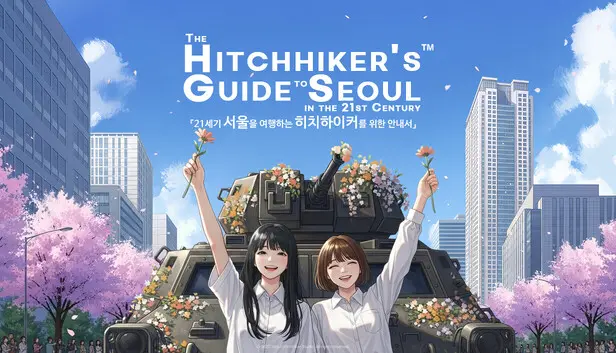
The Hitchhiker's Guide to Seoul in the 21st Century immerses players in a poignant narrative without the traditional gameplay elements. It is a visual essay that artfully examines heavy themes such as depression, memory, and societal issues through the lens of a woman reflecting on her past. This isn't a game you "play" in the conventional sense; instead, it's an emotionally charged experience delivered like a digital book, complemented by over 400 illustrations.
A Profound Exploration of Grief and Memory
The story centers on a young woman who grapples with the loss of a close friend, a tragedy that spiraled into a lifelong battle with depression. Set against the backdrop of Seoul’s intense educational environment, her journey reveals how societal pressures can lead to tragic consequences. Themes of childhood trauma, suicide, and structural violence are explored, making it much more than a simple nostalgia trip. It provides a solemn reflection on the impacts of societal expectations on mental health.
How the Narrative Unfolds in Pictures and Prose
Told through vivid recollections, the visual novel invites players to experience a flowing narrative that captures a range of emotions. With each page, readers encounter moments of light, darkness, and introspection. The format is linear; there are no puzzles or branching paths. Instead, readers advance the text while reflecting on deeper meanings, making it reminiscent of a memoir rather than a traditional game.
Unlocking a Deeper Understanding with "Reverie Mode"
After completing the game once, players can access the "Reverie Mode," which adds an additional layer of complexity to the narrative. This feature allows players to experience earlier sections of the story through the protagonist's introspective lens, offering a reevaluation of past events in the context of social and structural failures. It enriches the overall experience, encouraging a critical look at the issues at hand.
The Art as a Reflection of Emotional Truths
Visually striking, the game’s AI-assisted illustrations serve to enhance the poignant themes throughout the narrative. Each piece is meticulously retouched to evoke the appropriate emotional tones, creating a compelling atmosphere that mirrors the protagonist's inner turmoil. This attention to visual detail transforms the text into a rich tapestry of thoughts and feelings, underscoring the weight of the issues being discussed.
Ideal Audience and Emotional Impact
The Hitchhiker's Guide to Seoul in the 21st Century speaks to readers of memoirs, fans of text-driven visual novels, and anyone who seeks to understand the complexities of meritocracy and its social ramifications. It's a solemn tribute not only to loss but also to survival in a world that often neglects the struggles of its own. The narrative is both a personal saga and a critique of the systems that uphold such tragedies.
Confronting Harsh Realities with Quiet Truth
Happiness, as portrayed in the game, becomes an elusive target in the face of societal collapse. With Korea’s fertility rate at an alarming low, the narrative posits hard truths about ambition and despair. As readers navigate the protagonist's memories, the game encourages contemplation of what happiness might mean in a reality marred by grief and isolation. Each moment serves as a reminder that even amid sadness, there can be meaning and solace found in small glimmers of gratitude.
Conclusion: More Than Just a Game
In conclusion, The Hitchhiker's Guide to Seoul in the 21st Century transcends the typical boundaries of gaming. It challenges players to engage with complex emotional narratives, offering an evocative and thought-provoking experience. While it is devoid of conventional gameplay, its power lies in the reflections, emotions, and societal critiques woven throughout this compelling illustrated journey.
FREQUENTLY ASKED QUESTIONS
What platforms is The Hitchhiker's Guide to Seoul in the 21st Century on?
The Hitchhiker's Guide to Seoul in the 21st Century is available on PC.
When does The Hitchhiker's Guide to Seoul in the 21st Century release?
The Hitchhiker's Guide to Seoul in the 21st Century does not have a confirmed release date yet. Set a free alert to be notified when it is announced.
How much will The Hitchhiker's Guide to Seoul in the 21st Century cost?
The Hitchhiker's Guide to Seoul in the 21st Century has no price yet — it is not available for purchase. Set a free alert to be notified the moment it goes on sale.
GAME INFO
LANGUAGES
RELATED PRODUCTS









Explore ReadyGame
Deals
Collections
Browse by category
Franchises
- Star Wars
- Call of Duty
- Resident Evil
- Final Fantasy
- Assassin's Creed
- Warhammer 40,000
- Batman
- Yakuza: Like a Dragon
- Tom Clancy’s
- Sonic The Hedgehog
- Dragon Ball
- Monster Hunter
- The Legend of Heroes
- Borderlands
- Far Cry
- LEGO
- Tomb Raider
- Disney
- Sid Meier
- Doom
- Fallout
- Marvel
- Life is Strange
- Warhammer
- Five Nights at Freddy's
- Battlefield
- The Jackbox Party Pack
- The Elder Scrolls
- Dungeons & Dragons
- The Lord of the Rings
- Teenage Mutant Ninja Turtles
- Little Nightmares
- Sherlock Holmes
- The Walking Dead
- Street Fighter
- Watch_Dogs
- Alien
- Farming-Simulator
- World of Darkness
- Bioshock
- Need for Speed
- Dying Light
- Atelier
- Forza
- S.T.A.L.K.E.R.
- Wolfenstein
- Halo
- Metro
- One Piece
- Metal Gear